Alışveriş sepetiniz boş!


Alışveriş sepetiniz boş!
In 2026, the best material for high-performance fitness apparel and leggings has evolved beyond basic synthetics. Leading brands now prioritize Natural Fiber Blended Polyamide and Air-Layered Technologies over standard nylon to ensure breathability and skin safety. For premium quality, the ideal material must meet these criteria:
Fabric selection in sportswear is a very sensitive issue, and it is very important which fabric type and weight will be used in which product. The most serious mistake we see in start-up or mid-size sportswear brands is that they only focus on cheap prices. Although it is not a very nice term, it should not be forgotten that free cheese can only be found in a mousetrap. Of course, this issue does not only end with your choice of fabric. You should know much more important and vital technical information about the fabric to be used. !
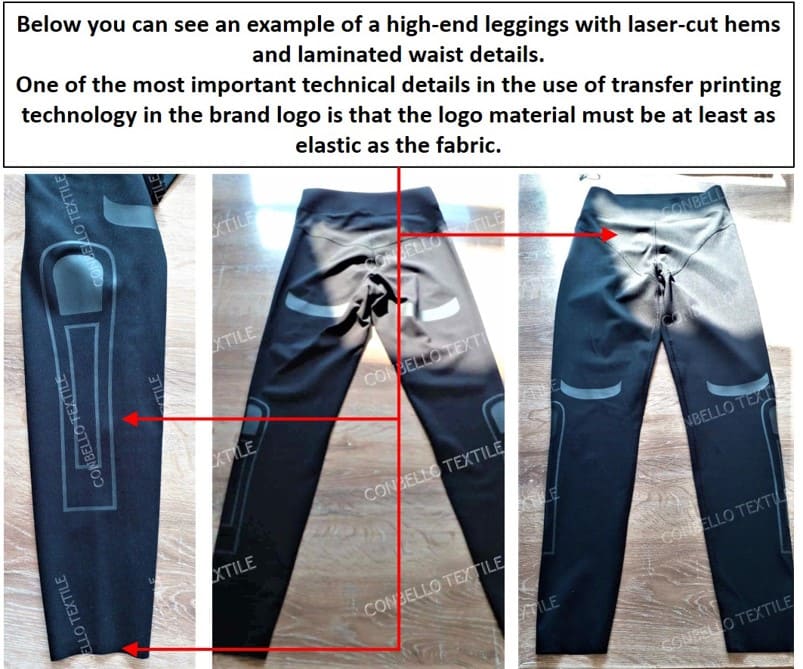

As of March 30, 2026, the German government has intensified its Textile Law (Textilgesetz), marking a seismic shift in the global sportswear market. For international brands, the game has changed: it is no longer just about the lowest production cost; it is about who carries the financial burden of a garment's end-of-life.
Under the new regulations, brands and importers are now legally mandated to collect at least 70% of the total volume of products they place on the market. In this landscape, production quality directly dictates your profit margin:
Premium Technical Production: A high-performance legging or sports bra—engineered with high-tenacity stitching and premium Polyamide 6.6—has a lifespan of 5+ years. Because it stays in the consumer's wardrobe, it stays out of the waste system, effectively shielding the brand from immediate collection and disposal costs.
Low-Quality Fast Fashion: A garment that loses its shape or tears after 3 months enters the waste cycle 4 times a year.
The Bottom Line: Under the "tonnage-based tax" system, brands opting for high-durability manufacturing face significantly lower "Polluter Pays" fees and administrative burdens.
The most critical pillar of the 2026 law is Eco-modulation. This system ensures that Extended Producer Responsibility (EPR) fees are not uniform; they are scaled based on the environmental cost of the product.
Toxic & Resin-Based Products (The Penalty Zone): Many "cheap" manufacturers use regenerated nylon produced by boiling fabric scraps with resin additives. These materials, along with toxic low-cost printing inks, are nearly impossible to recycle efficiently. Brands importing these goods are hit with "Penalty/High-Tier Levies" due to high processing costs.
High-End Technical Manufacturing (The Advantage Zone): Activewear made from pure Polyamide (Nylon 6 or 6.6) and eco-certified printing technology is classified as "Fiber-to-Fiber" recyclable. These brands enjoy the lowest possible EPR fees, making the final retail price more competitive by removing hidden legal surcharges.
The "cheap" resin-infused nylon fabrics common in the market cannot be truly recycled into new garments; they are restricted to Downcycling (e.g., being turned into low-value insulation or road filler).
In contrast, high-quality Polyamide is designed for a "Closed Loop" economy. Future regulations will require brands to use a percentage of recycled content from their own collected waste. A brand utilizing low-quality manufacturing will fail this cycle and be forced to pay New (Virgin) Raw Material Taxes repeatedly. Premium manufacturing provides the "high-value feedstock" necessary to stabilize long-term material costs.
The message from European regulators is clear: "We will collect everything, but we will reward quality and penalize those who clog the system with resin and toxins."
While the initial price of premium manufacturing may appear higher, cheap clothing becomes exponentially more expensive in the mid-to-long term due to legal penalties, collection logistics, and raw material taxes. High-durability technical textile production is the only "safe harbor" for brands looking to navigate the 2026 legal landscape.
Deutsche Welle (DW): Germany Tightens Textile Law Against Fast Fashion (30.03.2026)
German Federal Ministry for the Environment (BMUV): More Responsibility for Textile Producers - Official Press Release (27.03.2026)
European Commission: EU Strategy for Sustainable and Circular Textiles
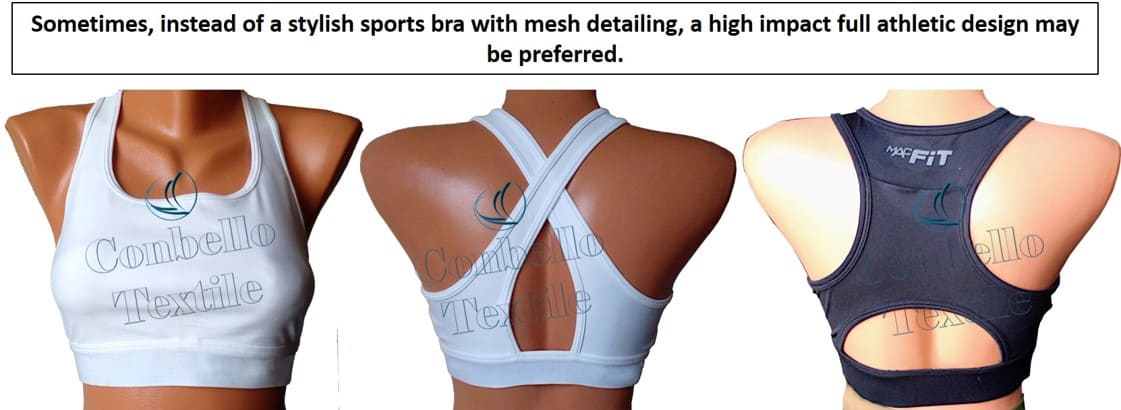
As Napoleon said, if there is no gunpowder (you can think of it as ammo) there is no point in continuing the war. If you take active wear and sportswear seriously and want to be a permanent and growing brand, you have to know that one of your most important arsenals is fabric.
We tried to briefly summarize the points that should be considered in the selection of fabrics to be used in products such as T-shirts, Athletes, Hoodies, Polos, Leggings or Sports Bras as sportswear.
Fabric touch and knitting/weaving systems are also crucial to the excellent quality of your sportswear product. Your fabric should definitely not fade after washing. For this, a special color fixation application is made during the manufacture of the fabric.
Much cheaper clothing products can be produced using poor quality fabrics. However, your cheap sportswear products are such a sensitive issue that it may cause your business to go bankrupt. Or at best, your initial investment will go to waste. Of course, this is a very expensive trial method.
(However, now you know the critical point. The important thing is not the label on the fabric. It is what the actual content of the fabric is.)
'The best fabric to use for T-shirts is undoubtedly cotton and modal. The addition of 5% elastane to prevent wrinkling and 15-20% polyester to increase durability will give the best results.'

Sportswear brands often fall into the low price trap of manufacturers. Most sportswear manufacturers quote prices based on using low quality cotton fabric for T-shirts and hoodies in order to get orders. (We are not even considering that they will be using fabric weighing less than 160 grams, which is the ideal fabric weight for a T-shirt). The T-shirt that will be made from cheap, inferior short fibre, with a sparse knitting technique and no finishing process to ensure the quality of the fabric, will of course be a disposable T-shirt.
Long Fibre Compact Cotton Fabric is the best type of Cotton Fabric. As Conbello Textile, we use Long Fibre Compact (LFC) cotton fabric by default unless we are specifically requested by our customers to use a different type of cotton fabric. LFC is considered to be the best type of cotton fabric due to its unique properties and benefits:
Overall, long staple compact cotton fabric is considered the best type of cotton fabric because of its unique properties. Its longer fibre length, higher yarn count, better weave, improved breathability, increased durability, and better absorbency make it an ideal choice for apparel that requires high quality and performance.
Yes, although it may seem that it has nothing to do with the fabrics used in fitness clothing, it actually does. And we think you should definitely read it to grow your brand. Because you will face the facts and you will see the way out more clearly.
How to create a successful sportswear brand?
How do I start a fitness clothing brand?
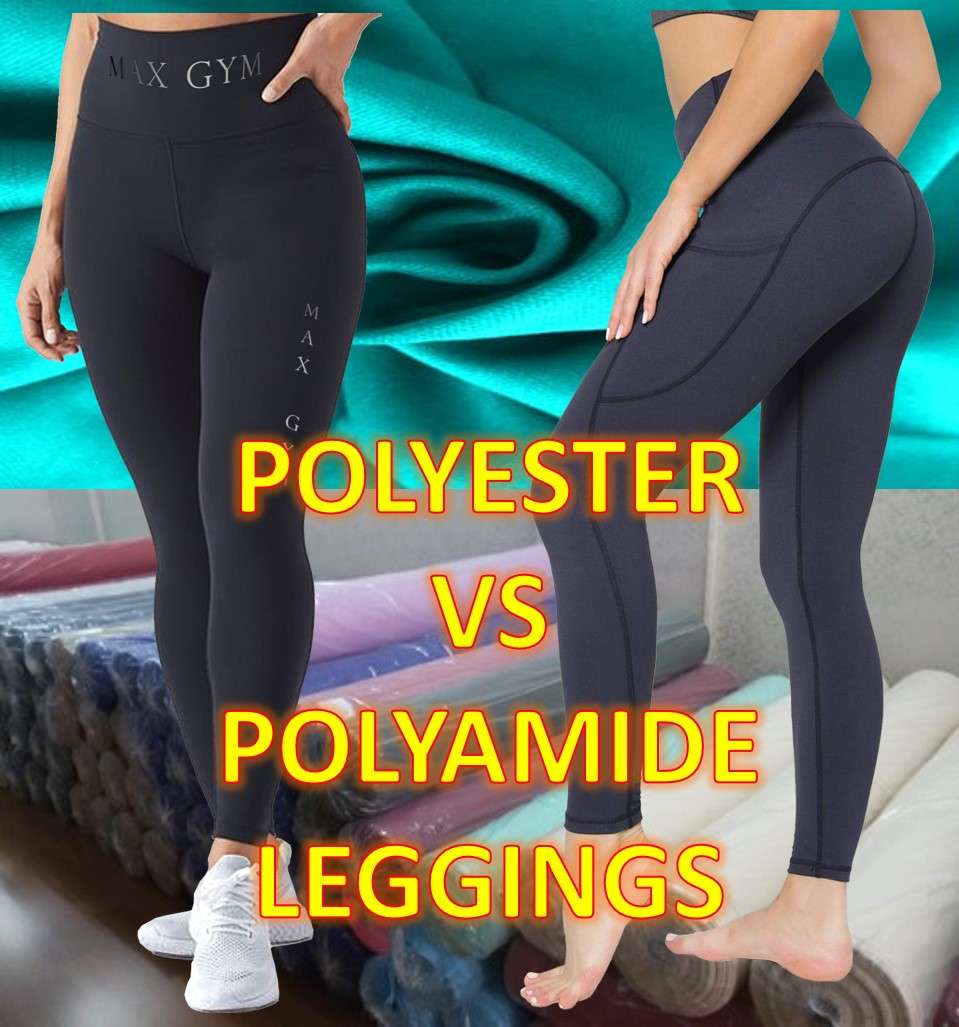
As Conbello Textile, we use approximately 150 types and sub-types of fabrics according to the purpose of use in sportswear. There is absolutely no clear answer to this question. For example, polyester or polyamide fabric, which is often recommended in many places to be used in leggings and sports bras. Really? Definitely not.
As Conbello Textile, of course, we use polyester and polyamide fabrics of the highest quality and in all weights. However, we also use original cotton fabric in the manufacture of leggings and sports bras. The leggings and other sportswear products we manufacture from cotton fabric have extremely natural and breathable properties. Cotton fabric has an incredible advantage over synthetic fabrics: They do not contain BPA (Bisphenol-A), which is a toxic chemical. Read detailed information about BPA here.
Fabrics such as Polyester, Polyamide, Cotton, Tencel, Viscose, and Bamboo can be preferred. However, do not forget the critical point: It is not what is written on the label of the fabric, but what the fabric actually is. For example, when we test Bamboo fabrics, we see that most of them are a mixture of Bamboo and viscose fabrics. Conbello Textile uses original Anti-bacterial Bamboo fabric.
What fabric is sportswear? Fabric types such as Cotton, Polyester, Viscose, Tencel can be preferred, but the most important point is that all finishing processes are completed during fabric production. In addition, fabric with different elastane ratio should be used according to the intended use of the sportswear product. In the meantime, what weight (GSM) the fabric should have in the relevant sportswear product should be calculated clearly and accurately. Conbello Textile will give you technical advice on this and all matters.
We have clients that we have worked with for nearly 25 years since the beginning of their business. Therefore, we gain many new customers thanks to the recommendations of these old friends.
Many of our customers, who came with the advice of our old customers or found us from scratch, are people who have experienced bitter experiences above. Many of our customers have lost their initial investment, thanks to companies that are inexperienced or look at sportswear manufacturing as just making money.

In a word, yes, it is a very important and vital issue.
It is vital for the future of your sportswear brand that you read the following information about fabric frauds in order to avoid manufacturing cheap and poor quality products.
1) Fabric Production Fraud:
The fabric that is said to be used is not the fabric that is actually used. For example, polyester fabric is used in a legging that is supposed to be polyamide. We come across this type of fraud more often than you might think. Unfortunately, we often find this fraud when testing fabric samples or finished products sent to us by customers. Or when we test the fabric that is supposed to be bamboo fabric, we find that viscose and cotton fibres are usually mixed with bamboo fabric to reduce costs. Polyamide fabric is more expensive than polyester fabric. Considering the fact that polyamide fabric is used, the customer pays the high price, but unfortunately, what he or she gets in return is not a high quality polyamide leggings, but only a simple leggings made of the cheapest polyester.
The fabric weight stated is not the actual weight of the fabric used. For example, a T-shirt that should be oversized and made from 100% cotton at 240 gsm will be made from 200-220 gsm fabric to reduce costs. As the main aim of a manufacturer who decides to produce cheap and poor quality sportswear is to reduce costs, you may have guessed that the fabric used will not be 100% cotton. However, not all fabrics that are made from 100% cotton are of the same quality. A 100% cotton T-shirt fabric will use short staple cotton fibres. A high quality 100% cotton fabric will use long staple cotton fibres.
Failing to apply the final finishing process to fabrics used to make apparel. For example, colour fastness and colour fixation finishes are not applied.
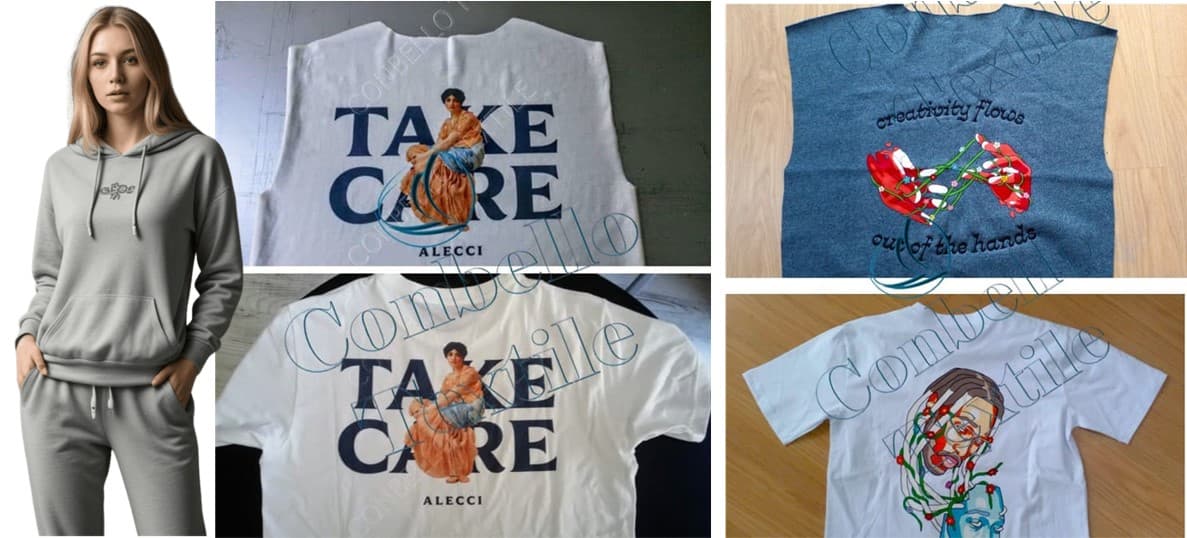
A poor quality and cheap fabric starts to deteriorate in the first washes, even after the product has been worn for a while, regardless of the printing system you apply on it. The color of the print applied to the fabric will fade quickly. This color fading/deterioration, which can be seen very quickly in print, ultimately leads to wastage of the entire product!
Of course, these are just the beginning. When we start working together, you will realize that the subject of fabric selection is very deep and important.
It will be useful for you to review our related pages below:
Support for startup Fitness clothing brands
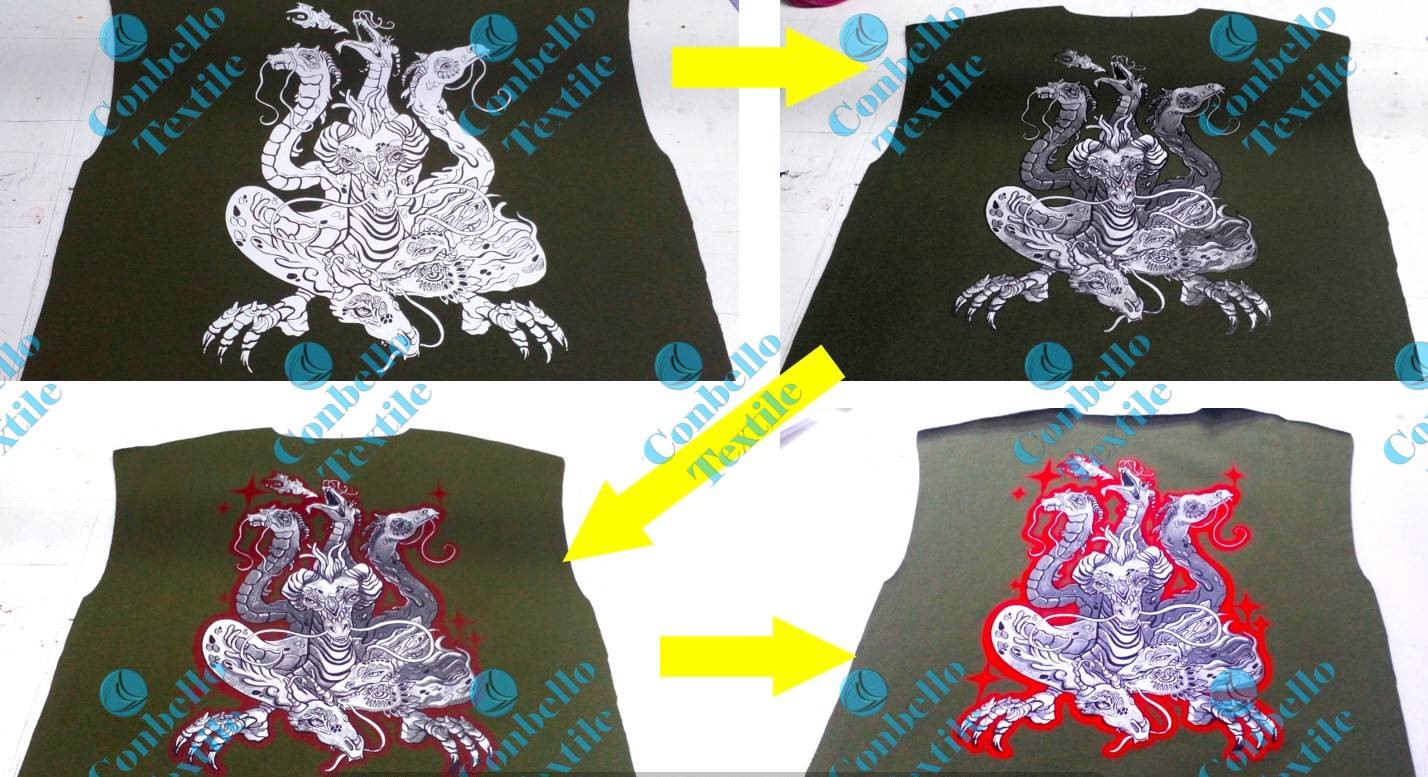
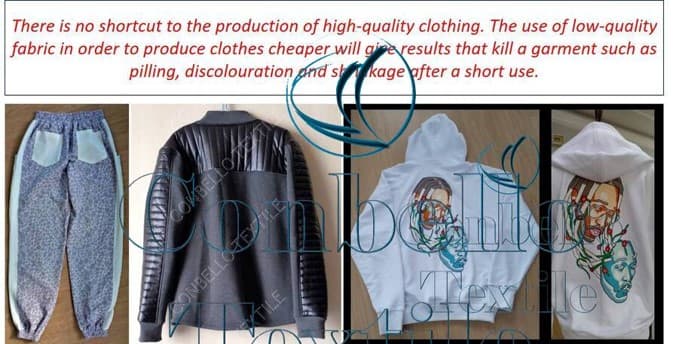



It will be useful for you to review our related pages below.
Support for startup Fitness clothing brands


![How to find an athletic [ athleisure ] clothing manufacturer](image/cache/A YENİ EKLENEN ÜRÜN/athleisure-clothing-manufacturer-55x55.jpg)


![Equestrian Clothing Manufacturer Europe [ Turkey ]](image/cache/A PERFORMANS/Equestrian-Clothing-and-Breeches-Manufacturer-200x200.jpg "Equestrian Clothing Manufacturer Europe [ Turkey ]")
![Athleisure [ Athletic ] Apparel Manufacturer](image/cache/A YENİ EKLENEN ÜRÜN/athleisure-clothing-manufacturer-200x200.jpg "Athleisure [ Athletic ] Apparel Manufacturer")
![High quality t-shirt manufacturer Europe [Luxury]](image/cache/A PERFORMANS/High-quality-shirt-manufacturers-200x200.jpg "High quality t-shirt manufacturer Europe [Luxury]")


![Best quality hoodie manufacturer [ Luxury-High Quality ]](image/cache/A PERFORMANS/CROP HOODIE-200x200.jpg "Best quality hoodie manufacturer [ Luxury-High Quality ]")

