Alışveriş sepetiniz boş!


Alışveriş sepetiniz boş!
For your apparel brand—whether you are a newly established startup or an existing seller currently operating in the industry—the potential remains the same: you have the power to transform your brand into a global giant. Therefore, we highly recommend continuing to read our informative article detailing the critical technical issues that are often kept hidden from you.
Our End-to-End Manufacturing Ecosystem
We have meticulously considered every intricate detail to help you build or expand your apparel brand. We offer a fully integrated, exceptional end-to-end service that includes:
The Conbello Textile Authority: Real Manufacturers vs. Retailers
We are proud to be one of the leading manufacturers of high-quality activewear. Many global brands that you perceive as "manufacturers" are actually not; they simply outsource the apparel they retail or wholesale to true factories. Our technical infrastructure proves our global authority:
Our Master Artisans & Product Range
We work collaboratively with you to produce designs specifically for your apparel brand, offering technical consulting and a flawless production process to meet all client needs. Our designers, fit models, graphic artists, master printers, tailors, and entire staff are true masters of the highest quality apparel and the most complex designs.
We have specialized in custom design techniques so you can showcase your creativity and obtain the most desirable apparel pieces, including:
From the initial design to mass production, our highly experienced personnel, engineers, and technicians will meticulously guide you through every stage of creating your apparel brand, ensuring your process is flawless (provided, of course, that you follow our expert advice).
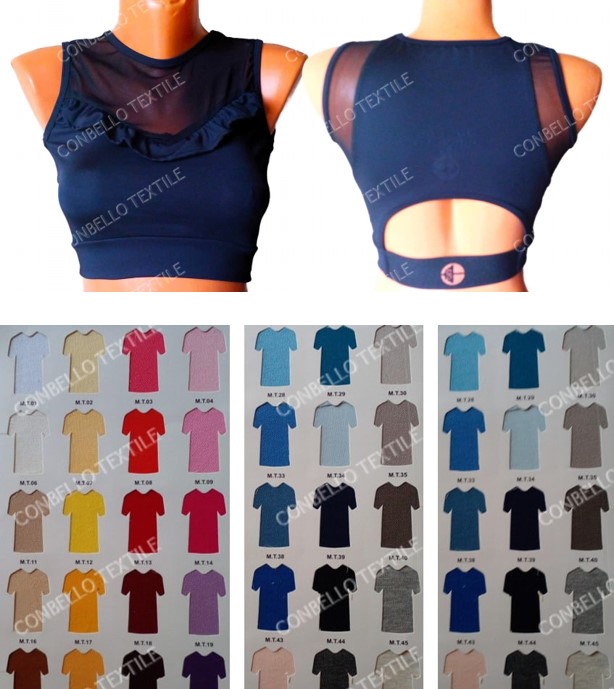
Raw Material Composition and the Impact of Elastane
The core performance characteristic of polyester, polyamide, or cotton fabrics used in the production of leggings, tights, and sports bras is their elastane (spandex/lycra) content.
Technical Parameters Defining Fabric Quality
The quality of synthetic fabrics is determined by the fiber type, knitting density, and construction technique.
Fabric Relaxation and Pre-Production Preparation
In a high-quality production protocol, the fabric must be "relaxed" (spread out flat) on the cutting table for at least 24 hours before cutting. This process allows the fabric to release any residual tension from the rolls. Furthermore, pre-washing and drying processes should be implemented during the manufacturing stage to prevent shrinkage or loss of shape after the end-user's first wash.
Pattern Placement and Cutting Techniques
Aligning pattern pieces according to the grain line and the direction of stretch is a critical technical rule. To ensure that leggings stretch evenly across the body without restricting mobility, all pattern components must be cut in the same direction. Although often overlooked in "fast-fashion" systems, this rule is the foundation of technical product quality.
Needle and Thread Selection Standards
When sewing synthetic fabrics with high elastane content, ballpoint needles must be used to avoid damaging the fibers and creating holes (runs) in the material. Regarding thread selection, high-tenacity polyester or specialized elastic threads should be preferred to ensure the seams can withstand the fabric's maximum stretch.
Stitch Types and Application Protocols
To support the fabric's elasticity and prevent "seam popping" during physical activity, zigzag stitches or stretch (flatlock) stitches should be applied. For hemming (e.g., leg openings), the use of twin needles or coverstitching ensures that the seam stretches in synchronization with the fabric. Before mass production, a test seam on a fabric swatch is mandatory to verify the needle and thread compatibility.
Seam Allowance and Technical Workmanship
A 1/4-inch seam allowance is generally sufficient for stretch fabrics. However, stitch length and tension must be precisely calibrated based on the fabric’s limit; incorrect settings lead to seam failure under stress. Expertise in fitness wear construction differs significantly from standard t-shirt or hoodie production; even minor errors in workmanship can lead to distorted patterns and lack of symmetry.
Stretch Recovery and Shape Retention
Stretch alone is not enough; the stretch recovery property must also be verified. If the fabric is poorly constructed, elastane fibers will fail to return to their original state, causing issues like "baggy knees" or sagging. A consistent level of tension must be maintained throughout the production line to ensure the apparel fits uniformly without being too tight or too loose in specific areas.
Functional Features: Moisture Management and Dyeing
To enhance comfort during exercise, fabrics should feature moisture-wicking technology that pulls sweat away from the skin rather than trapping it. Additionally, dyeing polyester and polyamide requires technical expertise; improper techniques result in "marbling" (uneven color) or rapid fading. Therefore, color fastness and abrasion resistance tests are indispensable parts of the manufacturing process.
Body Fit and Sizing
Precision sizing in tights and sports bras is vital for a supportive fit. The product must contour to the body without being restrictive or causing chafing. Waistband designs must be engineered to stay in place during movement without sacrificing the user's comfort.
Quality Control and Detailed Analysis
The quality control process involves strict protocols, including trimming loose threads, testing seam security, and verifying measurements against the size chart. Small details, such as the placement of a seam or the type of elastic used, significantly impact total performance. Without rigorous testing, seam failures or fabric runs are inevitable.
Trims, Labeling, and Presentation
Pockets, zippers, or decorative stitching must be applied with meticulous craftsmanship. While traditional production uses woven labels, these are often considered outdated and uncomfortable for activewear like leggings and sports bras. It is highly recommended to use Ultra-DTF (Direct to Film) or heat-transfer labeling, which creates no irritation and cannot be removed by the user. Finally, products should be packed in transparent, reusable, and clearly size-labeled adhesive packaging.
Industry Challenges and Consumer Complaints
The most common complaints—even for global brands—include "cracking" sounds from the seams, seam breakage, peeling logos, and fabric pilling. These technical issues pose a significant commercial risk, especially for startups with lower production volumes. The root cause is typically a combination of poor material selection, insufficient testing, and failure to follow technical protocols regarding needle, thread, and tension synergy.

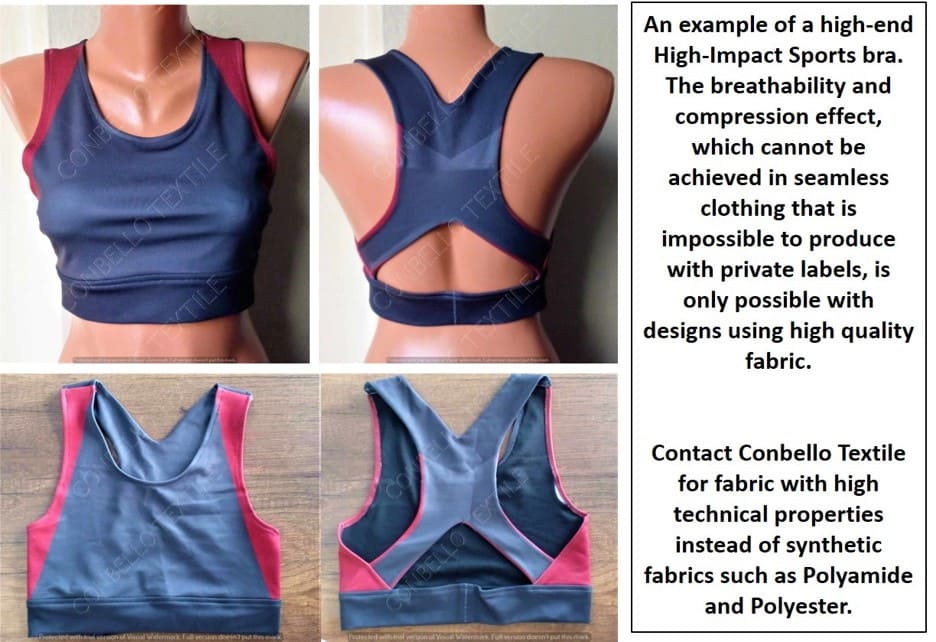
The Industry Problem: Standard polyamide fabrics lack natural breathability features, meaning they do not possess the necessary ability to wick accumulated sweat away from the skin during intense physical activity.
The Conbello Textile Solution: Our new-generation fabrics, exclusively developed and manufactured by the Conbello Textile R&D Department, completely solve this structural issue. We have already begun integrating these advanced, highly breathable new-generation fabrics into our clients' designs, albeit on a limited and exclusive basis.
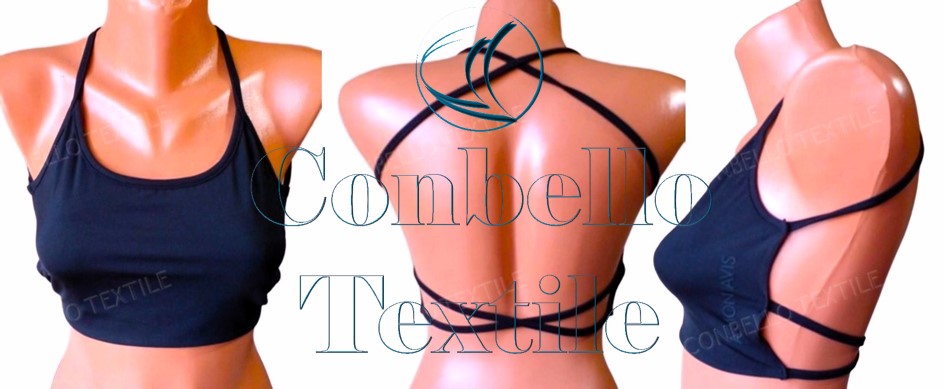
-Sports-Gym-bra-manufacturer.jpg)
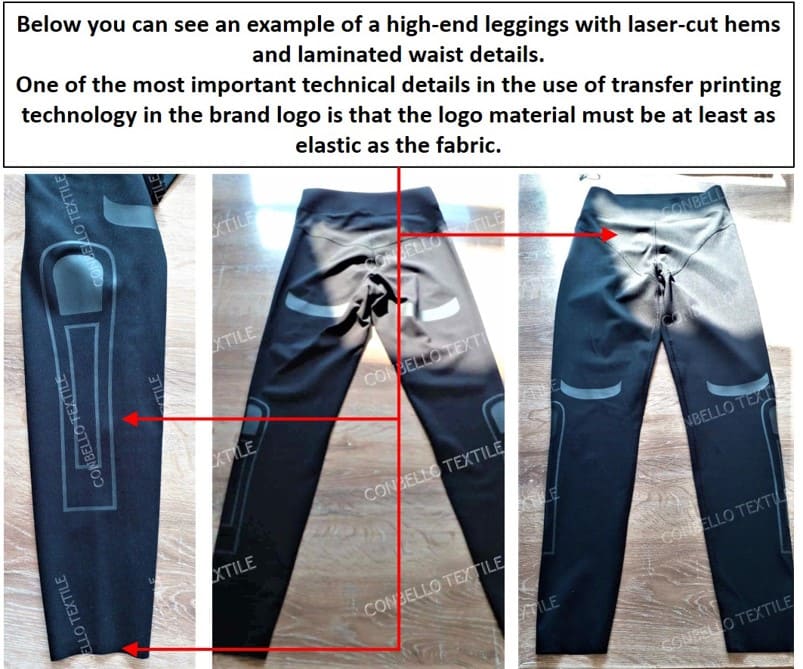
Originally, we intended to comprehensively cover the highly sensitive technical issues that must be considered in activewear. However, we have decided to focus on outlining the most critical core principles.
Understanding the Scope of Fitness Apparel
Fitness apparel is a broad term encompassing garments worn during physical activities, including—but not limited to—workouts, running, yoga, pilates, cross-training, and team sports. Although the specific type of sportswear varies depending on the sport or the technical endurance required by the activity, there are fundamental elements common to all high-performance fitness apparel.
The Technical Reality: Yoga Leggings vs. Running Leggings
We can explain this reality with a highly sensitive technical example. Suppose you want to place a wholesale order for the perfect fitness leggings. Let's assume the most commonly used fabric for your leggings will be Polyester (or Polyamide). The critical engineering question is: For which specific activity do you plan to use these leggings? Yoga or street running?
This is precisely the technical differentiation point that global fitness apparel brands pay attention to. As seen in these two examples, there are different leggings produced using different materials and stitching techniques for entirely different purposes. To create leggings that will truly make a difference for your customers—a product you can sell with absolute pride—you must establish a clear technical narrative. This engineering focus is exactly what separates you from standard fitness apparel retailer brands.
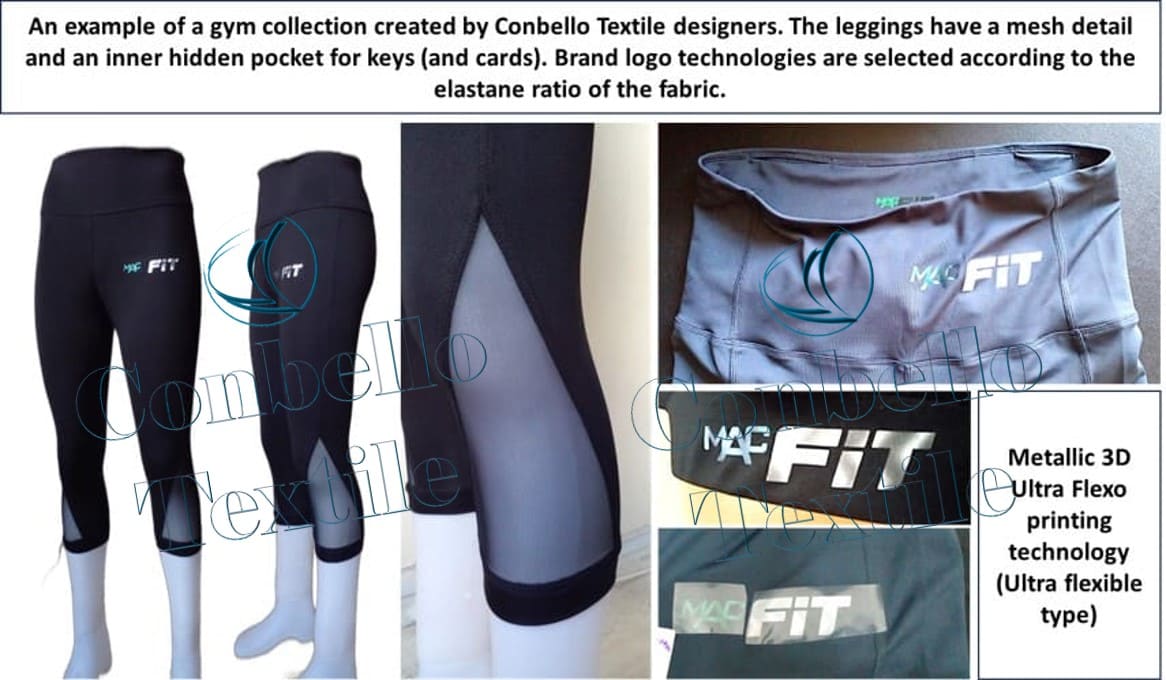
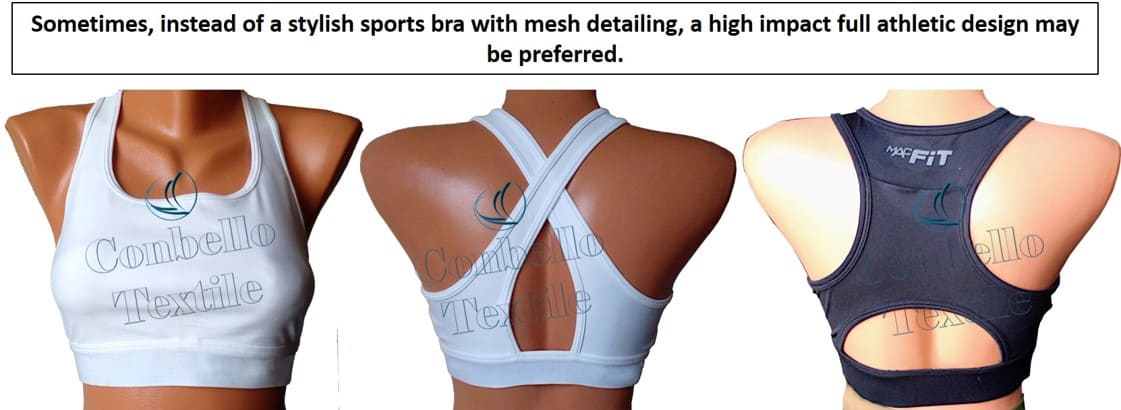

The Low-Price Trap in Activewear Production
The low-price trap that substandard sportswear manufacturers drag brands into is an incredibly broad technical subject. However, let us explain it in its simplest form. For apparel such as t-shirts, hoodies, leggings, and varsity jackets to be produced at unusually low prices, a severe compromise is required:
To make it easy to understand, we find it more appropriate to explain this through key points. Perhaps the most important principle an activewear brand must never forget is this: A manufacturer offering low prices by compromising on quality must inevitably compensate for that cost elsewhere, which ultimately results in painful experiences and a damaged reputation for your brand.
For detailed information, just click on the link below or send us an e-mail.
Conbello Textile next generation fitness fabrics

When manufacturers attempt to offer unusually low prices for premium activewear, they must compensate for that cost by sacrificing quality. Here are the six most common technical frauds used to reduce production costs:
Even if premium printing techniques are utilized, your specific logo design might not be structurally compatible with your chosen application method. At Conbello Textile, we do not just print; we conduct a comprehensive technical analysis of your brand logo.
If your design and preferred printing system mismatch, we immediately report potential errors and recommend the optimal printing technology. This is a unique, highly specialized technical service designed specifically to protect your brand's prestige and ensure long-lasting quality.
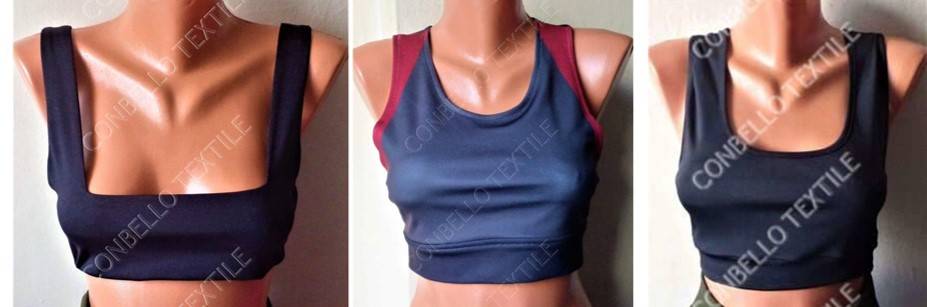


The brand logo printing technology used in sportswear is also an issue that needs attention. For example, printing inks that contain toxic chemicals, which are often preferred because of their cheapness, will actually cause serious damage to your fitness clothing brand. At first, your brand logo, which was printed with cheap and poor quality ink, will begin to separate from the fabric after the first wash and its color will fade quickly. It will be inevitable in problems such as clumping. If you are interested in this technical topic, please click here.


We share with our customers the sensitive deep technical information that determines the difference between the success or failure of the clothing brand.
It will be useful for you to review our related pages below.


![How to find an athletic [ athleisure ] clothing manufacturer](image/cache/A YENİ EKLENEN ÜRÜN/athleisure-clothing-manufacturer-55x55.jpg)


![Equestrian Clothing Manufacturer Europe [ Turkey ]](image/cache/A PERFORMANS/Equestrian-Clothing-and-Breeches-Manufacturer-200x200.jpg "Equestrian Clothing Manufacturer Europe [ Turkey ]")
![Athleisure [ Athletic ] Apparel Manufacturer](image/cache/A YENİ EKLENEN ÜRÜN/athleisure-clothing-manufacturer-200x200.jpg "Athleisure [ Athletic ] Apparel Manufacturer")

![Luxury custom hoodie manufacturer [ High-Quality ]](image/cache/A YENİ EKLENEN ÜRÜN/Hoodie manufacturing-200x200.jpg "Luxury custom hoodie manufacturer [ High-Quality ]")
![High quality t-shirt manufacturer Europe [Luxury]](image/cache/A PERFORMANS/High-quality-shirt-manufacturers-200x200.jpg "High quality t-shirt manufacturer Europe [Luxury]")


![Sweat activated Shirt Manufacturer [ Turkey ]](image/cache/A YENİ EKLENEN ÜRÜN/custom-water-sweat-activated-shirt-200x200.jpg "Sweat activated Shirt Manufacturer [ Turkey ]")


